
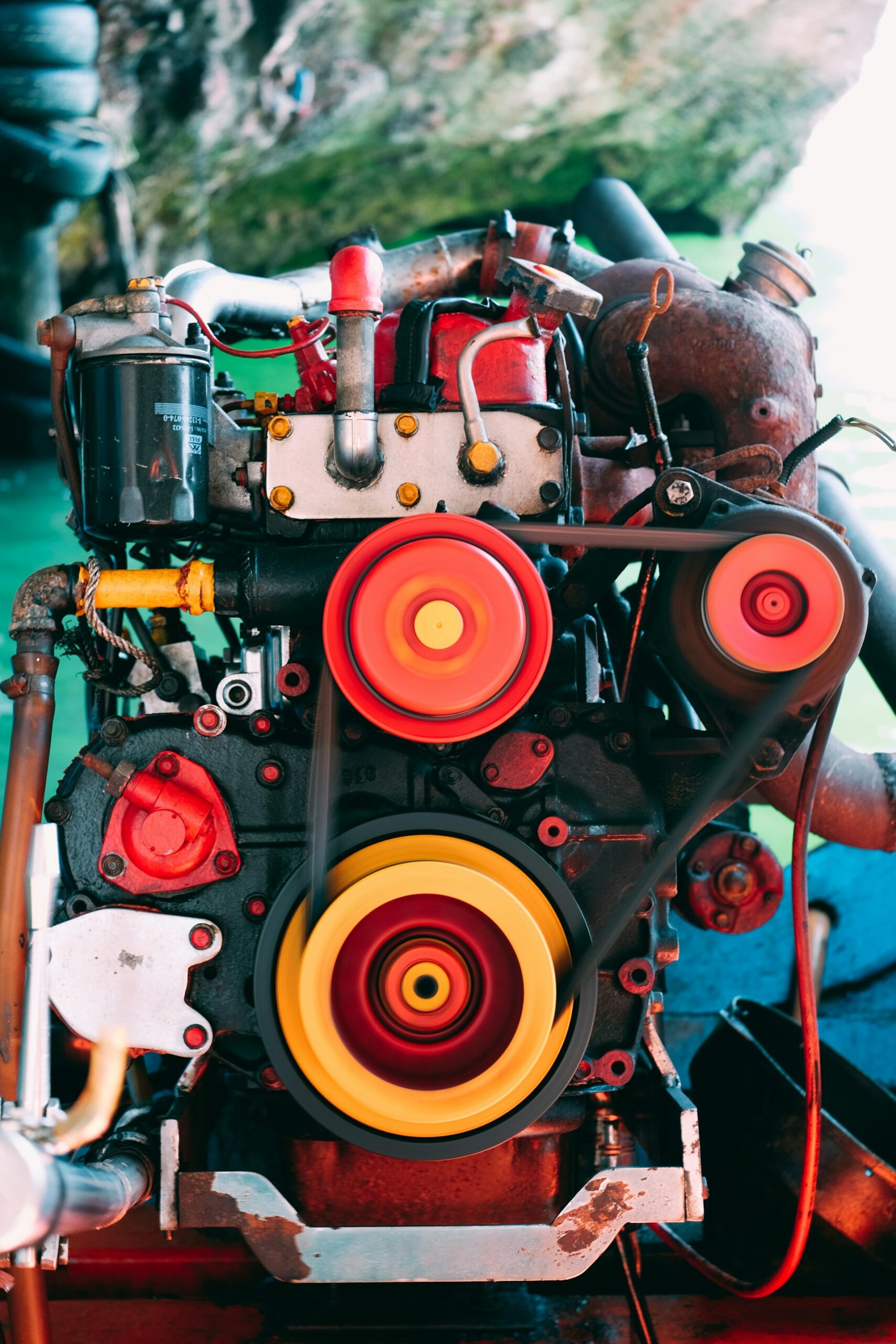
Most drivers hope engine problems will “wait a little longer.” Unfortunately, engine damage rarely stays small. What begins as a strange noise or warning light can quickly grow into a repair bill bigger than the vehicle’s value.
Knowing when your engine is nearing the end of its life helps you avoid wasted repair costs and stressful roadside breakdowns. In many cases, selling your vehicle earlier can be a smarter financial move than continuing to invest in repairs that may only provide short-term results.
This guide explains the warning signs your engine may be approaching scrap status, what those signs mean, and how to decide your next move with confidence.
Why Engines Reach Scrap Condition Faster Than Drivers Expect
Modern engines are strong, but they depend on many systems working together. Once internal wear spreads across multiple components, repairs become complex and expensive.
Drivers often delay action because the vehicle still “runs.” But running is not the same as running safely or efficiently. When repair costs start stacking up, it’s often more practical to explore options like selling your vehicle through a trusted cash for cars in Montreal service instead of investing in repairs that may only extend engine life briefly.
Here are the clearest warning signs your engine may be nearing the end of the road.
1. Persistent Knocking or Ticking Sounds From the Engine
Engine knocking is one of the most serious warning signs you can hear.
These sounds usually mean internal metal parts are striking each other due to worn bearings, damaged pistons, or low oil pressure. Left untreated, the engine can fail suddenly.
Common causes include:
- worn crankshaft bearings
- piston damage
- poor lubrication
- connecting rod failure
- incorrect combustion timing
Light ticking may sometimes be repairable. Deep knocking rarely is.
If knocking continues after an oil change or inspection, the engine may already be approaching replacement territory.
2. Excessive Exhaust Smoke
A small amount of condensation smoke during cold starts is normal. Thick smoke while driving is not.
Different smoke colours signal different internal problems:
Blue smoke
Oil is burning inside the engine. This usually means worn piston rings or valve seals.
White smoke
Coolant may be entering the combustion chamber. Often caused by a blown head gasket.
Black smoke
Too much fuel is burning. This can indicate injector or sensor problems.
When smoke appears consistently, repairs often involve major engine disassembly. At that stage, replacement may cost less than repair.
3. Rapid Oil Loss or Metal in Engine Oil
Engines naturally consume small amounts of oil over time. Rapid oil loss signals internal wear.
Serious warning signs include:
- oil levels dropping between short trips
- visible leaks under the vehicle
- burnt oil smell while driving
- metallic flakes in oil during changes
Metal particles in engine oil are especially serious. They usually mean internal components are grinding down.
Once this happens, rebuilding the engine becomes expensive and sometimes unrealistic.
4. Overheating That Keeps Coming Back
One overheating incident can damage an engine. Repeated overheating almost always leads to permanent failure.
Engines overheat when:
- coolant leaks develop
- the radiator fails
- the water pump stops working
- the thermostat sticks
- internal passages clog
Repeated overheating often causes:
- warped cylinder heads
- cracked engine blocks
- damaged gaskets
- loss of compression
If overheating returns after repairs, the engine may already have structural damage.
5. Loss of Power During Acceleration
A healthy engine responds quickly when you press the accelerator. A failing engine struggles.
Power loss often feels like:
- slow acceleration
- hesitation during gear shifts
- rough idle
- difficulty climbing hills
- engine shaking under load
These symptoms usually point to internal wear affecting compression or combustion balance.
Compression loss means the engine can no longer operate efficiently. Fixing this often requires a rebuild.
6. Dashboard Warning Lights That Don’t Go Away
Modern vehicles monitor engine performance constantly. When warning lights stay on after inspection, deeper issues are likely present.
Common warning indicators include:
- check engine light
- oil pressure warning
- temperature warning
- misfire alerts
- emissions failures
One warning light alone may be minor. Multiple warning lights together often signal serious mechanical decline.
Diagnostic scans help identify the issue, but repeated warnings after repairs usually suggest the engine is nearing the end of its service life.
7. Repair Costs Start Exceeding Vehicle Value
This is the clearest sign your engine may be approaching scrap status.
When repairs begin stacking up, compare:
- cost of repair
- current vehicle value
- likelihood of future failures
- safety concerns
- resale potential
If the engine requires replacement and the vehicle itself has high mileage or structural wear, repair rarely makes financial sense.
Instead, selling the vehicle for parts or recycling often becomes the better option.
Quick Comparison: Repairable Engine Problems vs Scrap-Level Damage
| Issue | Usually Repairable | Often Scrap-Level |
|---|---|---|
| Minor oil leaks | Yes | Rarely |
| Sensor failures | Yes | No |
| Cooling hose damage | Yes | No |
| Head gasket failure | Sometimes | Often |
| Low compression | Sometimes | Often |
| Bearing knock | Rarely | Yes |
| Metal in oil | Rarely | Yes |
| Cracked engine block | No | Yes |
What Happens If You Keep Driving a Failing Engine?
Continuing to drive with engine damage increases risk quickly.
Possible consequences include:
- sudden breakdowns on the road
- higher repair costs later
- transmission strain
- catalytic converter damage
- reduced fuel efficiency
- unsafe driving conditions
Many drivers wait until the engine completely fails before acting. By then, resale value drops significantly.
Acting earlier protects both safety and value.
When It Makes Sense to Stop Repairing Your Engine
Repairing your engine may not be practical if:
- the vehicle has over 250,000 km
- major internal components are failing
- multiple systems need repair
- rust or structural damage exists
- repair costs exceed half the vehicle’s value
At that stage, investing more money rarely improves long-term reliability.
Instead, many drivers choose to sell the vehicle while it still has parts value.
How Scrap-Level Engines Still Have Value
Even engines that no longer run properly still contain reusable components.
Salvage buyers look for:
- alternators
- starters
- cylinder heads
- transmissions
- catalytic converters
- body panels
- electronic modules
This means your vehicle can still generate cash even if the engine is beyond repair.
Selling earlier often results in better offers.
Steps to Take If Your Engine Shows These Warning Signs
If you recognize several symptoms from this list, take action quickly.
Start with these steps:
- schedule a diagnostic inspection
- compare repair estimates carefully
- evaluate your vehicle’s current market value
- consider long-term reliability after repair
- explore resale or recycling options
Final Thoughts: Recognize the Signs Before Repairs Go Too Far
Engines rarely fail without warning. They usually send signals weeks or months in advance.
Knocking sounds, smoke, overheating, compression loss, and rising repair bills all point toward the same conclusion: the engine may be nearing scrap status.
Recognizing these signs early helps you make smarter decisions about whether to repair, replace, or sell your vehicle while it still holds value.